
In today’s fast-changing digital landscape, brands are constantly looking for powerful ways to expand their reach, boost credibility, and drive conversions. Two of the most effective methods for achieving these goals are Influencer Marketing and Affiliate Strategies. When combined strategically, these approaches can significantly increase visibility, engagement, and sales while maintaining authenticity and trust.
This blog explores the top 10 Influencer Marketing and Affiliate Strategies that can help your business achieve sustainable digital growth in 2025 and beyond.
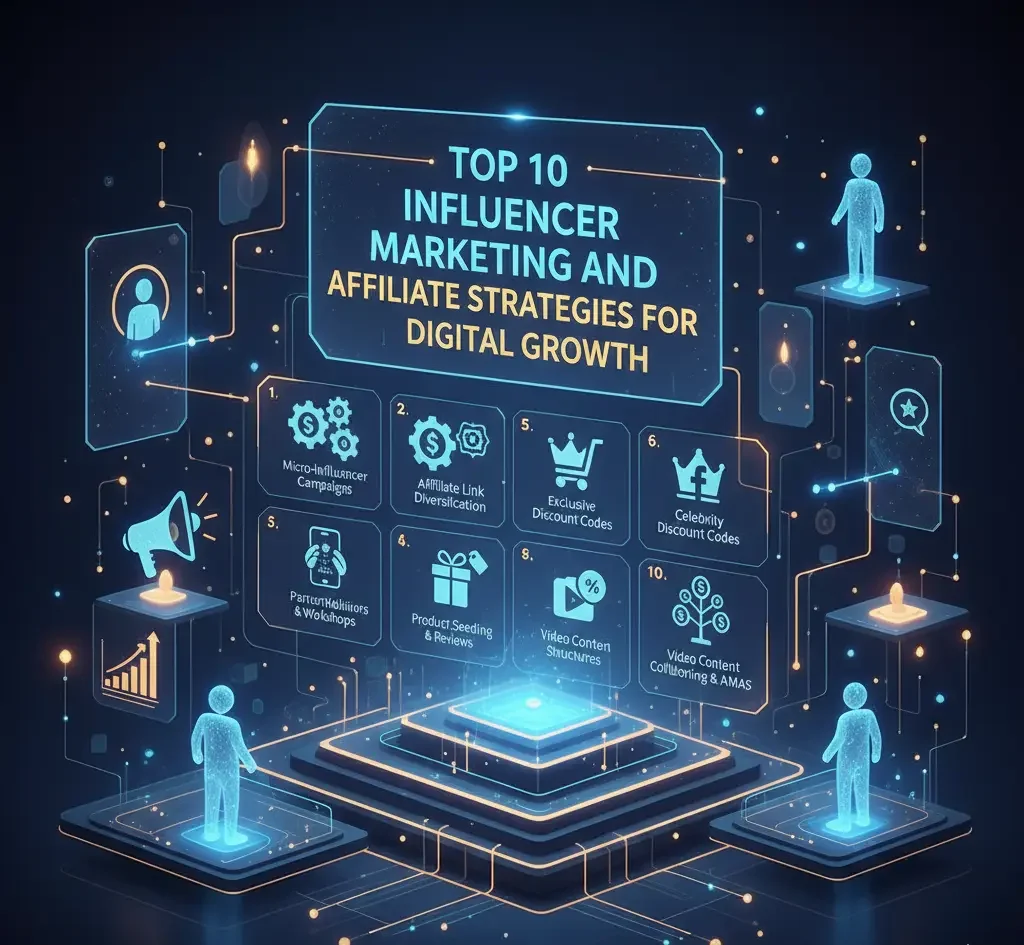
1. Build Authentic Partnerships
The foundation of successful Influencer Marketing and Affiliate Strategies lies in building authentic relationships with the right partners. Gone are the days when influencer campaigns were only about reach. Today’s audiences value genuine recommendations from creators they trust.
Choose influencers and affiliates whose values align with your brand’s mission and voice. Micro-influencers and niche affiliates often generate better engagement rates because they connect personally with their followers. Authenticity drives conversion, and authenticity should always lead your Influencer Marketing and Affiliate Strategies.
2. Focus on Niche Audiences
One of the smartest Influencer Marketing and Affiliate Strategies for 2025 is to target niche markets instead of chasing mass audiences. Niche influencers have dedicated followers who trust their expertise in specific areas such as fitness, tech, beauty, or finance.
Collaborating with these niche creators allows your brand to communicate with a more relevant and engaged audience, leading to higher-quality leads and stronger ROI. In short, precise targeting makes your Influencer Marketing and Affiliate Strategies more effective and cost-efficient.
3. Combine Influencer Content with Affiliate Links
An innovative approach to maximize conversions is integrating affiliate links directly into influencer content. This hybrid approach blends the emotional connection of influencer marketing with the performance-based nature of affiliate marketing.
Encourage influencers to create authentic product reviews, unboxing videos, or tutorials while including affiliate links in descriptions or stories. This synergy is one of the most impactful Influencer Marketing and Affiliate Strategies, helping brands track conversions while influencers earn commissions for sales.
4. Prioritize Long-Term Collaborations
Instead of one-off sponsored posts, focus on long-term partnerships with influencers and affiliates. Sustainable relationships build credibility and help your brand stay consistently visible across platforms.
When influencers promote your brand regularly, their audience develops stronger trust in your products. Similarly, affiliates who see consistent results will remain motivated to promote your offerings. Longevity and consistency are essential for scalable Influencer Marketing and Affiliate Strategies.
5. Leverage User-Generated Content (UGC)
One of the most effective Influencer Marketing and Affiliate Strategies today is leveraging user-generated content. Encourage influencers and affiliates to share real-life experiences using your products. Then, repurpose this content for your website, ads, or social media campaigns.
UGC adds social proof, builds trust, and enhances brand relatability. When potential customers see real users enjoying your products, they’re more likely to buy. This approach makes your Influencer Marketing and Affiliate Strategies more authentic and powerful.
6. Utilize Data-Driven Campaigns
In 2025, data is the backbone of all successful Influencer Marketing and Affiliate Strategies. By analyzing key metrics like engagement rates, conversions, and ROI, you can make smarter marketing decisions.
Use tools like Google Analytics, HubSpot, or specialized affiliate dashboards to measure performance. Identify which influencers or affiliates drive the most value and optimize your campaigns accordingly. Data-driven insights help you refine your Influencer Marketing and Affiliate Strategies for continuous growth.
7. Diversify Across Multiple Platforms
Today’s audiences are spread across various platforms—Instagram, YouTube, TikTok, LinkedIn, and even podcasts. The best Influencer Marketing and Affiliate Strategies involve a multi-channel approach to capture attention across all these touchpoints.
For example:
- Use Instagram for visual storytelling
- YouTube for detailed product reviews
- TikTok for creative short-form videos
- Blogs and LinkedIn for in-depth educational content
Diversification ensures your brand reaches customers wherever they spend time online, making your Influencer Marketing and Affiliate Strategies more adaptive and future-proof.
8. Offer Exclusive Incentives and Discounts
Another smart way to boost engagement through Influencer Marketing and Affiliate Strategies is by offering exclusive promo codes or limited-time offers. These personalized incentives encourage audiences to act immediately while helping you track campaign performance effectively.
When influencers share special discounts with their followers, it creates a sense of exclusivity and urgency—two psychological triggers that drive conversions. Exclusive offers make your Influencer Marketing and Affiliate Strategies both trackable and profitable.
9. Align Strategies with Seasonal and Trend-Based Campaigns
Timing can make or break your campaign. Align your Influencer Marketing and Affiliate Strategies with trending topics, holidays, or seasonal events to boost visibility when audience engagement peaks.
For instance:
- Collaborate with fitness influencers during New Year resolutions.
- Partner with fashion creators during festive seasons.
- Run affiliate campaigns during major online sales events like Black Friday or Diwali.
Strategic timing ensures your Influencer Marketing and Affiliate Strategies are always relevant and in sync with user interests.
10. Measure ROI and Optimize Continuously
Finally, the most crucial part of your Influencer Marketing and Affiliate Strategies is tracking and optimization. You can’t improve what you don’t measure. Regularly evaluate your campaigns using key performance indicators such as:
- Conversion rate
- Cost per acquisition (CPA)
- Click-through rate (CTR)
- Engagement metrics
Refine your approach based on insights. Focus your efforts on what delivers results and eliminate what doesn’t. This data-backed refinement is what keeps your Influencer Marketing and Affiliate Strategies competitive and scalable over time.
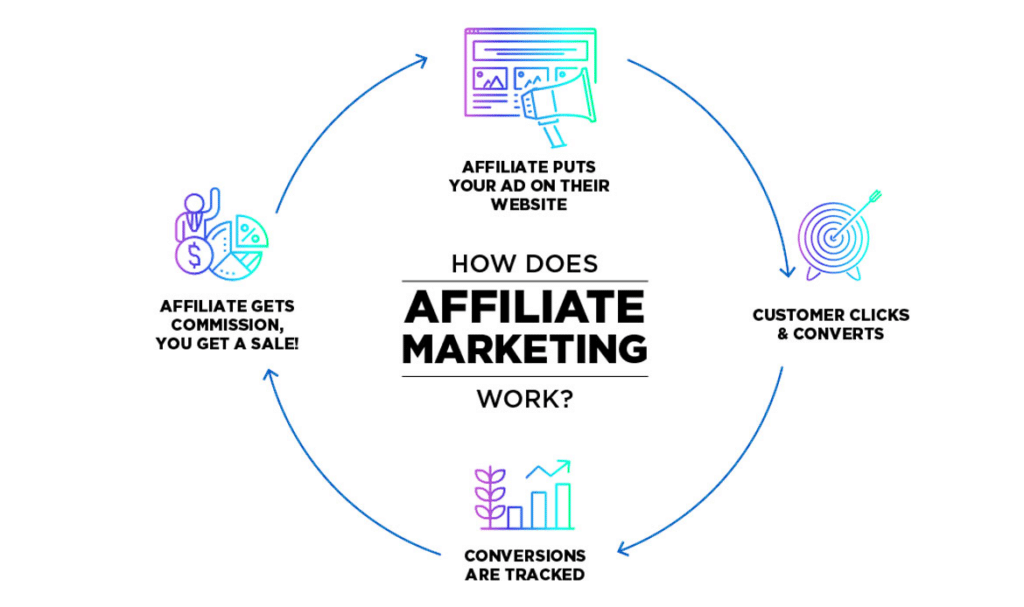
How Influencer Marketing and Affiliate Strategies Work Together
While influencer marketing focuses on storytelling and emotional connection, affiliate marketing drives measurable sales through performance-based incentives. When combined, these strategies create a powerful ecosystem that blends trust with tangible results.
Here’s how they complement each other:
- Influencers build awareness; affiliates drive conversions.
- Influencers create content; affiliates amplify distribution.
- Influencers inspire action; affiliates track and reward it.
Together, these Influencer Marketing and Affiliate Strategies offer a complete marketing solution that builds awareness at the top of the funnel and drives sales at the bottom.
The Future of Influencer Marketing and Affiliate Strategies in 2025
As we move deeper into the era of AI, automation, and personalization, Influencer Marketing and Affiliate Strategies will continue to evolve. Here are the trends shaping the future:
1. AI-Powered Influencer Selection
AI tools can now identify influencers based on engagement quality, audience authenticity, and content performance—making your collaborations smarter and more effective.
2. Rise of Micro and Nano Influencers
Smaller creators are building deeper trust with their communities. Brands are recognizing the value of these micro-level partnerships as part of their Influencer Marketing and Affiliate Strategies.
3. Performance-Based Influencer Campaigns
More brands are integrating affiliate-style commissions into influencer contracts, ensuring both parties benefit from measurable results.
4. Integration with E-Commerce Platforms
Affiliate and influencer programs are now seamlessly integrated with platforms like Shopify, Amazon Associates, and ClickBank. This simplifies tracking and helps scale Influencer Marketing and Affiliate Strategies faster.
5. Video-First Campaigns
Short-form video content continues to dominate digital marketing. Combining influencer storytelling with affiliate-driven CTAs in video form is a winning formula for 2025.
Common Mistakes to Avoid in Influencer Marketing and Affiliate Strategies
While these strategies are powerful, many brands fail due to avoidable errors. Keep your Influencer Marketing and Affiliate Strategies effective by avoiding these pitfalls:
- Choosing influencers based only on follower count
- Ignoring authenticity and audience alignment
- Failing to disclose sponsored content
- Neglecting performance tracking
- Overlooking legal agreements or payment transparency
A successful Influencer Marketing and Affiliate Strategy is always built on transparency, value alignment, and measurable performance.
Conclusion: The Future Belongs to Smart Collaborations
The digital world is becoming more competitive every day. To stand out, brands need to move beyond traditional advertising and embrace innovative Influencer Marketing and Affiliate Strategies that focus on trust, creativity, and measurable results.
By building genuine partnerships, leveraging data, and aligning your efforts with current trends, your brand can unlock new levels of digital growth. Whether you’re a small business or a global enterprise, combining Influencer Marketing and Affiliate Strategies will help you reach the right audience, boost conversions, and create lasting brand loyalty.
In 2025, success in digital marketing won’t come from isolated tactics—it will come from smart, connected, and strategic collaborations built through effective Influencer Marketing and Affiliate Strategies.